

Industrial HVAC systems are complex assemblies of mechanical and electrical components that work together to maintain temperature, humidity, and air quality in large facilities. These systems are not only essential for comfort but also for the stability of production environments, equipment performance, and safety. The ...
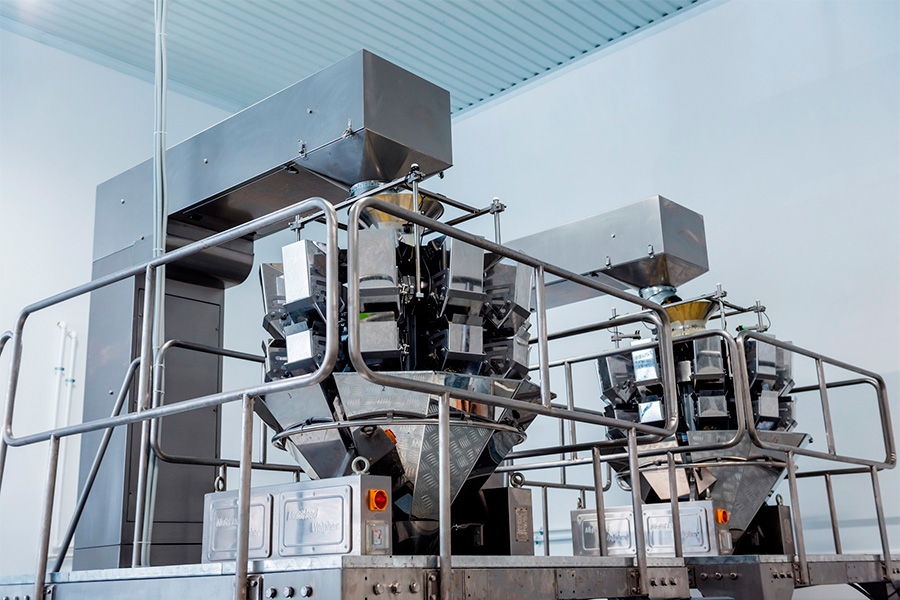
Industrial HVAC systems are complex assemblies of mechanical and electrical components that work together to maintain temperature, humidity, and air quality in large facilities. These systems are not only essential for comfort but also for the stability of production environments, equipment performance, and safety.
The compressor is one of the central components of any industrial HVAC system. It compresses the refrigerant, increasing its temperature and pressure so that heat can be released through the condenser. The condenser then removes that heat, often using fans or cooling towers, allowing the refrigerant to return to a liquid state. The expansion valve lowers the pressure of the refrigerant so it can absorb heat again in the evaporator. This cycle continues continuously to provide controlled temperatures.
The air handling unit, often called the AHU, distributes conditioned air through ducts across the facility. It contains filters, fans, and coils that regulate airflow, remove contaminants, and control humidity. Ductwork, fans, and dampers help ensure the air is evenly distributed and that the return air is properly balanced.
Industrial HVAC systems also rely on sensors and controllers that monitor temperature, pressure, and humidity. These devices ensure efficiency and safety, automatically adjusting operations when conditions change. In manufacturing plants, refineries, or data centers, even small temperature fluctuations can cause major issues, so precision is essential.
Understanding the role of each part helps facility managers identify issues quickly and maintain high performance. Routine inspections, cleaning of coils and filters, and monitoring refrigerant levels prevent failures that could lead to costly downtime.
In short, industrial HVAC systems are the backbone of environmental control in large-scale operations. A solid understanding of their main components—compressor, condenser, expansion valve, evaporator, and air handling unit—is fundamental for efficiency, reliability, and long-term performance.


Understanding the Key Components of Industrial HVAC Systems