
Industrial HVAC systems operate under demanding conditions, and certain failures are more common than others. Understanding these issues helps prevent downtime and maintain continuous operation. Compressor failure is one of the most expensive problems. It can result from overheating, lack of lubrication, or improper refrigerant ...
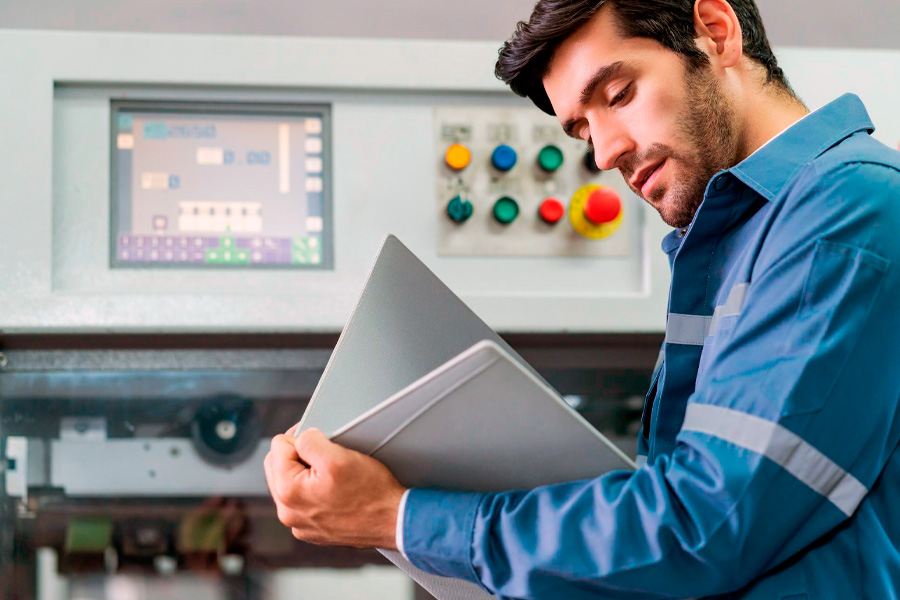
Industrial HVAC systems operate under demanding conditions, and certain failures are more common than others. Understanding these issues helps prevent downtime and maintain continuous operation.
Compressor failure is one of the most expensive problems. It can result from overheating, lack of lubrication, or improper refrigerant charge. Regular monitoring of pressure, temperature, and current draw helps detect early signs of malfunction.
Fan and blower issues are also frequent. Bearings wear out, belts loosen, and motors overheat. Cleaning coils and filters regularly ensures unrestricted airflow, reducing stress on fans and motors.
Expansion valves may clog or stick, leading to uneven cooling. Ensuring that refrigerant levels are correct and contaminants are removed from the system helps avoid this issue.
Electrical problems such as faulty relays, short circuits, or sensor errors can cause entire systems to shut down. Regular inspections and preventive electrical maintenance keep systems reliable.
Preventive maintenance is the most effective strategy against all these failures. Keeping detailed records of inspections, replacing worn parts on schedule, and performing vibration or temperature analysis all contribute to reliability.
In summary, understanding common HVAC machine failures and applying proactive maintenance keeps operations efficient, reduces unexpected costs, and protects productivity.

Common Failures in Industrial HVAC Machines and How to Prevent Them