

Choosing the right parts for industrial HVAC systems is essential for long-term performance, energy efficiency, and reliability. Unlike residential systems, industrial units operate under constant load and in challenging environments. Durability and material quality play a vital role in minimizing breakdowns and maintenance costs. The ...
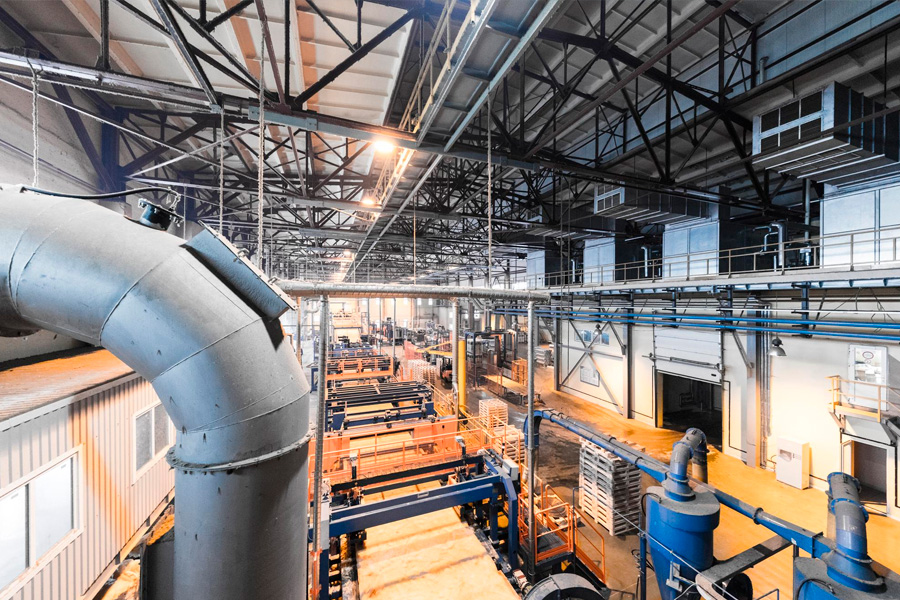
Choosing the right parts for industrial HVAC systems is essential for long-term performance, energy efficiency, and reliability. Unlike residential systems, industrial units operate under constant load and in challenging environments. Durability and material quality play a vital role in minimizing breakdowns and maintenance costs.
The first factor to consider is material construction. Components exposed to heat, moisture, or chemicals should be made from corrosion-resistant materials such as stainless steel or coated aluminum. Bearings, belts, and motors must be rated for continuous operation. Using parts that meet industrial standards prevents premature failure and ensures consistent performance.
Another consideration is compatibility. Even if a cheaper part fits physically, it might not meet the design specifications for temperature range, airflow, or pressure. Always match the technical requirements of the existing machine to ensure balance and safety. Oversized or undersized components can reduce efficiency and increase energy consumption.
Maintenance efficiency also matters. Easy-to-replace components, modular parts, and accessible designs reduce downtime during repairs. In large facilities, where every hour of interruption represents production loss, having the right spare parts and fast replacement capability is crucial.
Choosing reliable suppliers and maintaining detailed maintenance records are also key practices. These records help track part lifespans, identify recurring failures, and plan preventive maintenance schedules. Prioritizing OEM-quality or certified equivalent parts is generally the best long-term strategy.
In conclusion, selecting durable, properly specified parts for industrial HVAC systems is a strategic investment. It minimizes operational risk, extends equipment life, and keeps energy efficiency at optimal levels throughout years of heavy use.


Selecting Durable Parts for Industrial HVAC Systems